- The Mouthful
- Posts
- Proper Produce Storage?
Proper Produce Storage?
& fancy olive oils, fridge cleanout meals, & gnocchi

Jess McIntosh, Ethan Chlebowski & Keith McBrayer
December 07, 2025

Good morning. A few weeks back we covered freezing aromatics to maximize their life, but not all items can be frozen (like herbs, for example). So today, we cover how to keep produce in top shape for longer 🥬.
COOKING PROTOCOL 🍳
Produce storage: fridge vs counter
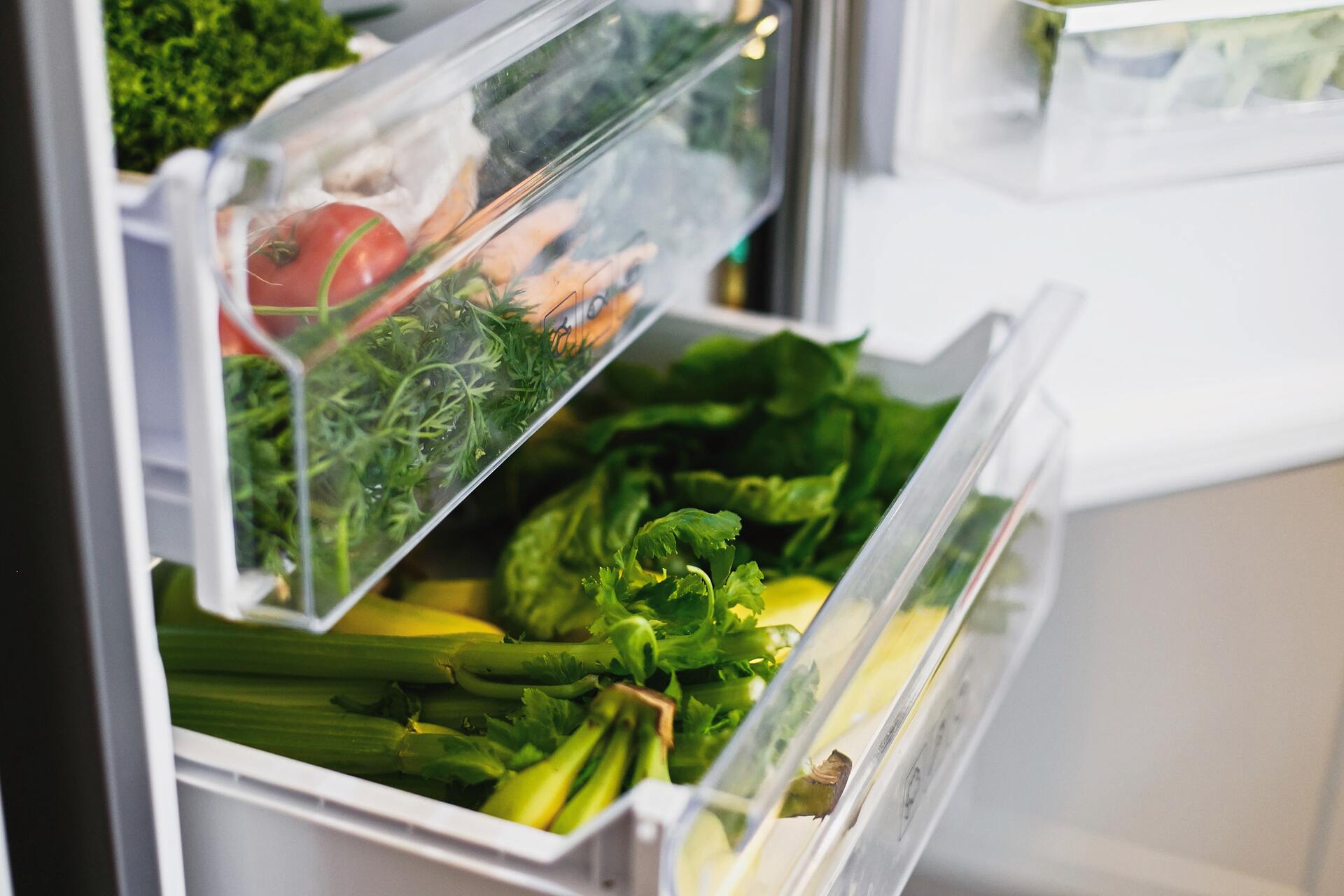
We’ve all been there: you stock up on fruits and vegetables, then end up tossing half of them when they spoil too fast. Here’s how to keep your haul fresh longer (and cut down on waste).
Counter or pantry (cool, dry air)
Onions, garlic, potatoes → last for months outside the fridge, meant to be stored dry (but once you peel & cut an onion, keep it in the fridge)
Tomatoes & strawberries → better texture when stored at room temp (unless very overripe)
Fridge (crisper drawers + bags are your friend)
Most fruits and vegetables → citrus, peppers, berries, and leafy greens last much longer chilled & in a sealed environment
We know the citrus bowl on the counter looks great, but those will brown and dry out
Herbs → store in a sealed bag or container with a loose paper towel for humidity balance
Scallions → sealed container works as well as in a jar of water with tops covered by a plastic bag (greens will wilt without a sealed environment regardless)
Exceptions
Basil, oregano, and sage → keep stems in a glass of water on the counter; they wilt and brown in the fridge since they are temperature sensitive
TLDR: Think of the fridge as the default, and only keep things out if cold storage ruins their texture.
RECIPE RECOMMENDATIONS ✅
Fridge clean-out meals

Looking to use up leftover veggies and reset the refrigerator? Check out this collection of recipes perfect for a fridge clean-out:
FOOD TRENDS 🚀
Single-origin olive oil

Olive oil has been around forever — so why does it suddenly feel trendy?
Think of it like the third-wave coffee movement. Once people started learning about single-origin beans and how sourcing affected flavor, coffee shifted from commodity to craft. Olive oil is having that same awakening/renaissance.
Modern brands are emphasizing traceability, freshness, and terroir — putting harvest dates, specific groves, and pressing details right on the bottle. Like wine or coffee, brands are leaning into the same messaging that geography shapes taste: peppery, fruity, grassy, buttery.
The packaging tells the story too. Gone are the dark green bottles hiding in the pantry — new brands use minimalist, design-forward containers that signal quality and freshness. A helpful details for consumers is the addition of harvest date, a shift to treating olive oil like a perishable product instead of a shelf-stable afterthought (olive oil does go rancid — buy smaller bottles you can actually use up after opening).
But can you taste a difference between brands and bottles?
Yes, but it’s most noticeable when you are using the olive oil in a raw application, like as a garnish, or in very large quantity. Ethan did a deep dive and tested various cooking scenarios to find out when expensive olive oil is worth it, and when it’s not.
And to fully understand the labels on the bottles, check out this other guide: "Are you buying the right olive oil?”
WINNING READER SUBMISSION 🏆
Gnocchi winner
This week’s dinner winner is Alison M., who made butternut squash gnocchi in a browned butter sage sauce with collard greens and topped with raw cheese.

Reply with your best home-cooked food photos for a chance to win & be featured!
EXTRA HELPINGS 🍽️

A read: Is whole milk cool again?
In a minute or less: Olive oil processing
What we’re watching: Chef's knife rolls
Food science: Smashburgers
The Cook Well app is happening: Get in on early subscriptions

Was this forwarded to you? Subscribe here.
Not reaching your inbox? Try this.
Need more inspiration? View the newsletter backlog.